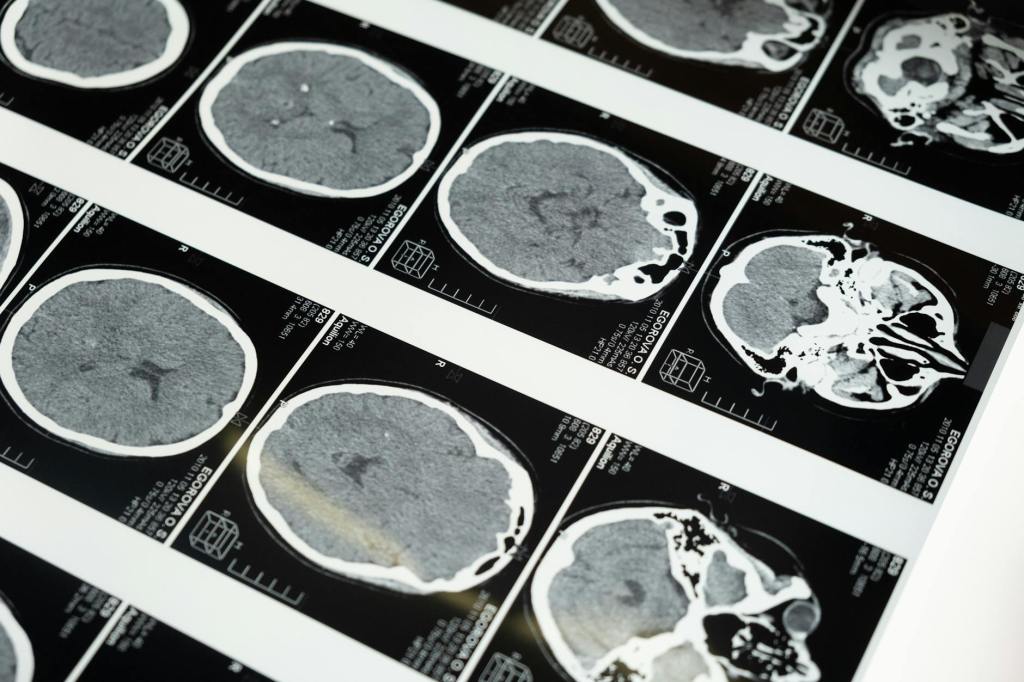
Over the past two decades, neuroscience has dramatically expanded our understanding of mental health and cognitive functioning. The brain is not a fixed organ. It continuously reshapes itself through neuroplasticity in response to daily behavior, emotional experiences, and environmental exposure (Kolb & Gibb, 2014). Habits related to sleep, movement, learning, mindfulness, emotional health, connection, diet, and digital hygiene directly influence brain structure, neural efficiency, stress resilience, and long-term cognitive health.
This article summarizes key neuroscience-supported lifestyle practices that promote brain health across the lifespan.
- Sleep as the Foundation of Brain Health
Sleep is essential for neural maintenance, emotional regulation, memory consolidation, and cognitive performance. During sleep, the brain clears metabolic waste through the glymphatic system, stabilizes memory traces, and restores neural energy (Rasch & Born, 2013; Xie et al., 2013). Insufficient sleep is associated with impaired attention, emotional reactivity, anxiety, depression risk, and cognitive decline (Walker, 2017).
Evidence-based recommendations include maintaining 7 to 9 hours of nightly sleep, consistent sleep timing, reduction of screen exposure before bed, limiting stimulant intake late in the day, and ensuring a dark and cool sleeping environment.
- Movement and Physical Activity as Brain Nutrition
Physical exercise is consistently associated with improved brain functioning and structural brain benefits. Aerobic activity increases Brain-Derived Neurotrophic Factor (BDNF), which supports neuronal survival, synaptic plasticity, and learning capacity (Ratey, 2008). Exercise has been shown to increase hippocampal volume, improve executive functioning, and reduce dementia risk (Erickson et al., 2011).
Recommended practices include 150 minutes of aerobic activity per week, strength training several times weekly, and movement breaks for individuals with sedentary lifestyles.
- Meditation and Mindfulness as Neural Training
Mindfulness meditation produces measurable structural and functional changes in the brain. Longitudinal studies demonstrate increases in cortical thickness in regions related to attention, emotional regulation, and self-awareness, while also reducing amygdala reactivity associated with stress responses (Hölzel et al., 2011; Tang, Hölzel, & Posner, 2015). Mindfulness practices improve stress regulation, attention, working memory, and emotional resilience (Goyal et al., 2014).
Consistent daily practice of even brief meditation has been shown to offer cognitive and emotional benefits.
- Learning, Novelty, and Cognitive Challenge
The brain thrives when engaged in meaningful mental challenge. Engaging in cognitively demanding activities strengthens neural pathways and builds cognitive reserve, which can protect against age-related decline and dementia (Stern, 2012). Activities such as language learning, musical training, reading, strategy games, and problem solving stimulate neuroplastic change.
Effortful learning, rather than passive mental engagement, is especially beneficial.
- Nutrition and Brain Function
Diet significantly influences brain performance, emotional stability, and long-term neuroprotection. Omega-3 fatty acids contribute to neuronal membrane integrity and cognitive health, while antioxidants reduce oxidative stress and support cellular function (Gómez-Pinilla, 2008). Diets high in processed foods and sugars are associated with poorer cognitive outcomes and mood dysregulation (Jacka et al., 2010).
Nutritional approaches that emphasize omega-3s, vegetables, berries, whole foods, and hydration are associated with healthier brain functioning.
- Emotional Health, Stress Regulation, and the Brain
Chronic psychological stress elevates cortisol, impairs hippocampal functioning, disrupts memory, and affects emotional regulation (McEwen, 2012). Conversely, emotional processing, self-compassion practices, and therapeutic support help stabilize the nervous system and improve cognitive clarity.
Journaling, therapy, mindfulness, boundary setting, and stress management are effective approaches for supporting brain health.
- Social Connection as a Biological Need
Human connection is deeply biological rather than merely psychological. Social relationships reduce mortality risk, improve mental health outcomes, and activate reward circuitry that stabilizes neurochemistry (Holt-Lunstad, Smith, & Layton, 2010). Social isolation has been linked to increased risk of depression, anxiety, and cognitive decline.
Regular meaningful interaction, community engagement, and nurturing close relationships significantly support brain and emotional health.
- Nature and Sunlight Exposure
Exposure to natural environments supports emotional regulation, attention functioning, and stress reduction. Research shows that time in nature reduces rumination, decreases stress markers, and enhances cognitive performance (Bratman et al., 2015). Sunlight exposure also regulates circadian rhythm, supporting healthy sleep patterns.
Aim for consistent time outdoors and regular sunlight, especially in the morning.
- Digital Hygiene and the Modern Brain
Continuous engagement with digital media overstimulates reward pathways, fragments attention, and contributes to emotional dysregulation in some individuals (Kübler, 2020; Twenge, 2017). Establishing digital boundaries, limiting chronic scrolling, and prioritizing intentional rather than compulsive technology use supports healthier cognitive functioning.
- Meaning, Purpose, and Spiritual Grounding
A sense of life purpose is associated with improved emotional stability, resilience, and decreased risk of cognitive decline (Boyle, Barnes, Buchman, & Bennett, 2009). Purpose can be expressed through creativity, service, spirituality, faith, or meaningful pursuits aligned with personal values.
A Sample Day That Supports Brain Health
Consistent wake time
Hydration and morning sunlight
Brief mindfulness or reflective practice
Movement or exercise
Nourishing meals and hydration
Engagement in meaningful or mentally stimulating work
Time with others or community connection
Time outdoors
Intentional evening wind down with reduced digital stimulation
Restorative sleep
Brain health is shaped not by isolated health decisions, but by daily patterns repeated over time. Small, sustainable actions compound, strengthening neural systems related to attention, mood regulation, cognition, and resilience. Across the lifespan, the brain remains adaptable and capable of significant positive change. By supporting sleep, movement, learning, emotional well-being, social connection, nutrition, nature engagement, and mindful living, individuals actively promote healthier brain functioning and improved quality of life.
References
Boyle, P. A., Barnes, L. L., Buchman, A. S., & Bennett, D. A. (2009). Purpose in life is associated with mortality among community-dwelling older persons. Psychosomatic Medicine, 71(5), 574 to 579.
Bratman, G. N., Hamilton, J. P., Hahn, K. S., Daily, G. C., & Gross, J. J. (2015). Nature experience reduces rumination and subgenual prefrontal cortex activation. Proceedings of the National Academy of Sciences, 112(28), 8567 to 8572.
Erickson, K. I., Voss, M. W., Prakash, R. S., Basak, C., Szabo, A., Chaddock, L., … & Kramer, A. F. (2011). Exercise training increases size of hippocampus and improves memory. Proceedings of the National Academy of Sciences, 108(7), 3017 to 3022.
Gómez-Pinilla, F. (2008). Brain foods: the effects of nutrients on brain function. Nature Reviews Neuroscience, 9(7), 568 to 578.
Goyal, M., Singh, S., Sibinga, E. M., Gould, N. F., Rowland-Seymour, A., Sharma, R., … & Haythornthwaite, J. A. (2014). Meditation programs for psychological stress and well-being. JAMA Internal Medicine, 174(3), 357 to 368.
Hölzel, B. K., Lazar, S. W., Gard, T., Schuman-Olivier, Z., Vago, D. R., & Ott, U. (2011). How does mindfulness meditation work. Perspectives on Psychological Science, 6(6), 537 to 559.
Holt-Lunstad, J., Smith, T. B., & Layton, J. B. (2010). Social relationships and mortality risk. PLoS Medicine, 7(7), e1000316.
Jacka, F. N., Pasco, J. A., Mykletun, A., Williams, L. J., Hodge, A. M., O’Reilly, S. L., … & Berk, M. (2010). Association of Western and traditional diets with depression and anxiety in women. American Journal of Psychiatry, 167(3), 305 to 311.
Kolb, B., & Gibb, R. (2014). Searching for the principles of brain plasticity and behavior. Cortex, 58, 251 to 260.
Kübler, D. (2020). Neuropsychological aspects of excessive internet use. Current Psychiatry Reports, 22(3), 1 to 8.
McEwen, B. S. (2012). The ever-changing brain. Seminars in Neurology, 31(5), 471 to 483.
Rasch, B., & Born, J. (2013). About sleep’s role in memory. Physiological Reviews, 93(2), 681 to 766.
Stern, Y. (2012). Cognitive reserve in ageing and Alzheimer’s disease. Lancet Neurology, 11(11), 1006 to 1012.
Tang, Y. Y., Hölzel, B. K., & Posner, M. I. (2015). The neuroscience of mindfulness meditation. Nature Reviews Neuroscience, 16(4), 213 to 225.
Twenge, J. M. (2017). IGen. New York, NY: Atria.
Walker, M. (2017). Why we sleep. New York, NY: Scribner.
Xie, L., Kang, H., Xu, Q., Chen, M. J., Liao, Y., Thiyagarajan, M., … & Nedergaard, M. (2013). Sleep drives metabolite clearance from the adult brain. Science, 342(6156), 373 to 377.
 Ariel Cook
Leave a comment